
Updated – 21:33, March 18, 2026
In a bold strategic move, US President Donald Trump has sought to establish an international naval coalition aimed at exerting pressure on Iran amid rising tensions in the Strait of Hormuz. The President posits that uniting multiple nations under this coalition could lead Iran to either capitulate or engage in negotiations without preconditions. However, this ambitious vision has met unexpected challenges.
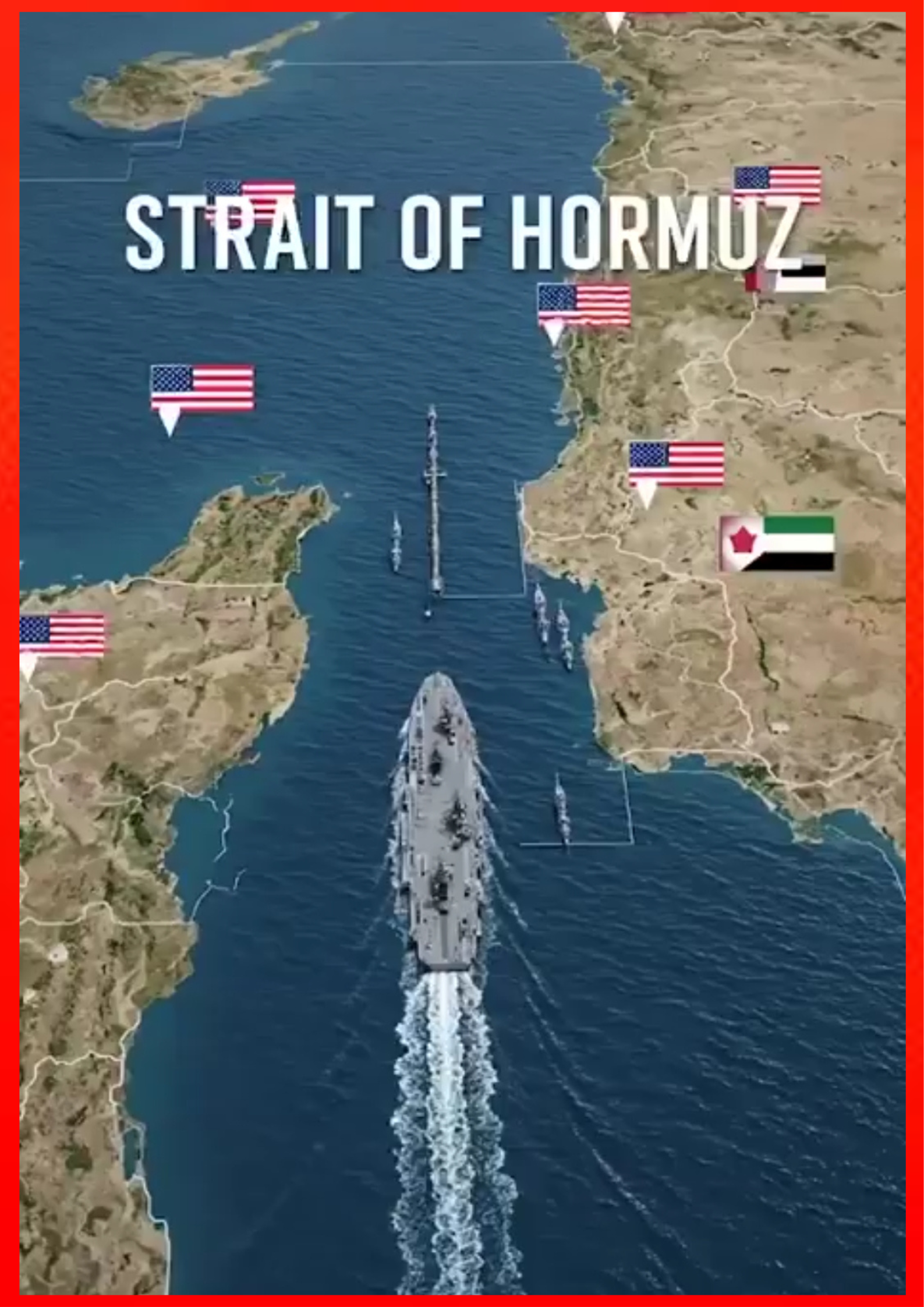
What began as a brief confrontation quickly escalated into a protracted conflict, undermining Trump’s expectations. The reality of a drawn-out war of attrition has emerged, revealing the unanticipated complexities of engaging with Iran. Iranian leadership appears to have strategically prepared for this confrontation, focusing on exhausting US resources and those of its allies over a sustained timeframe.
By the end of the first week of hostilities, Trump’s initial strategy had unraveled. His attempts to instigate a regime change in Iran through a swift strike failed, thwarting his goals of seizing control over a significant portion of global oil production. The consequences of this military engagement have been dire, manifesting in a surge in oil prices that exceeded $100 per barrel, as Iran fortified its grip on a key maritime route critical for global oil supply.
In a powerful inaugural address, Ayatollah Seyyed Mojtaba Khamenei, the new Iranian leader, reinforced the Iranian resolve by declaring, “The will of the people is to continue effective and deterrent defense,” leaving open the possibility of closing the Strait of Hormuz. This proclamation sends ripples of concern through the White House, indicating Iran’s commitment to a prolonged standoff that could further destabilize global economic structures, particularly affecting the United States and its allies.
Struggling with escalating war costs and surmounting tensions within his administration, Trump has sought assistance from international partners. He initially expressed optimism that countries like China, France, Japan, South Korea, and the United Kingdom would contribute naval forces to help secure the Strait of Hormuz.
However, skepticism looms over the viability of this coalition, as potential allies weigh the risks associated with deeper involvement in a conflict characterized by uncertainty and complexity. The dynamics of international relations in this theatre suggest that Trump’s naval coalition may confront significant obstacles, ushering in a period of heightened instability rather than the anticipated deterrent impact on Iran. As the situation unfolds, the future of regional security hangs precariously in the balance, prompting urgent discussions about effective strategies to navigate this conflict.